

Alternatives to Grocery Store Coffee Beans
Table of Contents
- Why Grocery Store Coffee Falls Short
- Fresh Roasted Coffee Subscription Services
- Single Origin and Specialty Grade Beans
- Coffee Bean Roast Dates Explained
- How to Store Coffee Beans for Maximum Freshness
- Sample Packs: A Low-Risk Way to Explore Quality Options
- Making the Switch: Cost and Convenience Considerations
- Frequently Asked Questions
Last Updated: September 30, 2026
Why Grocery Store Coffee Falls Short
Mass-market coffee beans sit on shelves for months before reaching your cup. By the time you brew them, much of their flavor has already oxidized away. This is the core problem with grocery store coffee: freshness determines everything, and supermarket supply chains don't prioritize it.
Grocery store beans are typically roasted weeks or months before purchase. They're stored in conditions designed for shelf stability, not flavor preservation. The beans lose their aromatic oils, their bright acidity fades, and what you're left with is a flat, one-dimensional cup. It's not that the beans started bad, it's that they've deteriorated significantly by the time they reach your kitchen.
The roast date is your first clue. Most grocery store bags either hide it or don't include it at all. Without knowing when the beans were roasted, you have no way to assess their freshness. Compare this to specialty-grade alternatives to grocery store coffee beans, where roast dates are prominently displayed and beans are typically shipped within days of roasting.
Quality also matters at the source. Grocery store coffee often blends low-grade beans from multiple origins to hit a price point. These blends are engineered for consistency and cost, not complexity. Single-origin coffees and specialty-grade selections offer distinct flavor profiles tied to where the beans were grown, how they were processed, and the altitude and soil of the region.
The difference in your cup is immediate. Fresh, quality beans produce brighter acidity, cleaner body, and recognizable tasting notes, chocolate, citrus, caramel, fruit. Stale grocery store coffee tastes muted and bitter, with none of those characteristics.
Fresh Roasted Coffee Subscription Services
A fresh roasted coffee subscription delivers beans roasted within days of shipment. This is the fastest way to guarantee freshness without hunting for local roasters or making multiple shopping trips.
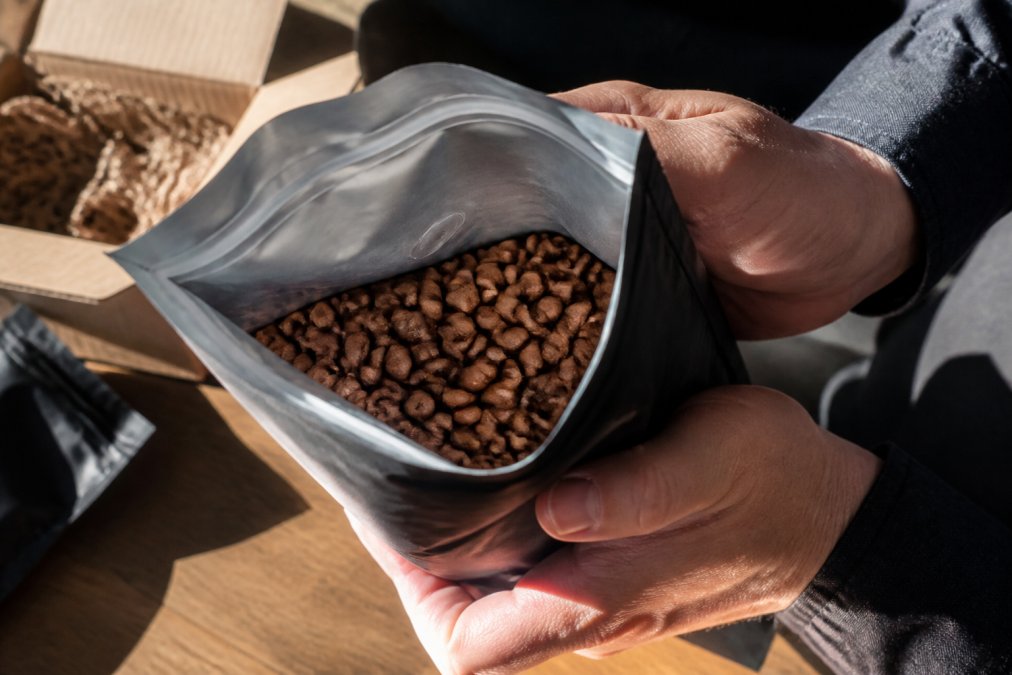
Subscription services work by roasting in small batches and shipping immediately. You receive beans at their peak, typically 3-7 days after roasting. The automated fulfillment means no inventory management, your coffee arrives on a schedule you control, and you always know exactly what you're getting.
Fairwood Coffee exemplifies this approach. The service delivers artisan blends roasted fresh, with curated selections that let you explore different flavor profiles without committing to full bags of beans you might not enjoy. The automated system handles timing and delivery, eliminating the friction of remembering to reorder or hunting for quality options.
Subscriptions also solve the discovery problem. Rather than guessing at grocery store options, you get curated selections based on your preferences. This reduces waste, you're not stuck with coffee you don't like, and it exposes you to beans and blends you'd never find in a supermarket.
Most subscriptions ship whole bean coffee, which you grind at home for maximum flavor retention.
| Feature | Grocery Store | Subscription Service |
|---|---|---|
| Roast Date | Unknown or old | Recent (3-7 days) |
| Freshness Guarantee | None | Guaranteed fresh |
| Selection Range | Limited blends | Curated variety |
| Delivery | Manual shopping | Automated to your door |
| Inventory Management | Your responsibility | Handled for you |
| Discovery | Hit-or-miss | Guided exploration |
Single Origin and Specialty Grade Beans
Single origin coffees come from one specific region, farm, or even microlot. Specialty grade beans meet strict quality standards defined by the Specialty Coffee Association. These alternatives to grocery store coffee beans offer transparency and flavor complexity that mass-market blends cannot match.
When you buy a single origin, you're tasting the terroir, the distinctive characteristics imparted by that region's altitude, soil, climate, and processing methods. A Colombian coffee from the Medellin region will taste different from one grown in Ethiopia's Sidama zone, even if both are roasted to the same level. This specificity is what makes specialty coffee interesting.
Specialty grade requires rigorous quality control. Beans are evaluated for defects, size consistency, and cupping scores. Only the top tier of coffee production qualifies. This is why specialty beans cost more than grocery store options, the quality is measurable and verified, not assumed.
Fairwood Coffee's single origin selections showcase this distinction. The Brazil Santos offers a smooth cup with cocoa notes from volcanic loam soil and pulped-natural processing. The Ethiopia Natural brings milk chocolate, fruity, and caramel notes from the Sidama zone's indigenous heirloom cultivars. Each origin tells a story through its flavor profile.

The tasting notes on specialty coffee aren't marketing fluff. They're the result of professional cupping, a standardized tasting process where trained evaluators assess acidity, body, aroma, and flavor. When a bag says "dried orange, berry, and chocolate," those are characteristics that trained tasters consistently identified. This gives you confidence in what you're buying.
Best Sellers Coffee Sample Pack | Six 2 →
Coffee Bean Roast Dates Explained
The roast date is the most important number on a coffee bag. It tells you exactly how fresh the beans are and helps you understand their current flavor state.
Roasted coffee begins losing flavor immediately after roasting. The beans are at peak flavor between 3 and 14 days after roasting. Within this window, the beans have released their carbon dioxide but haven't yet oxidized significantly. The aromatic oils are still present, and the acidity is bright.
After two weeks, the flavor starts to flatten. By four weeks, most of the complexity has faded. By eight weeks, the coffee tastes noticeably stale, flat, bitter, and one-dimensional. This is why knowing the roast date matters so much. A bag roasted six months ago, no matter how good it was originally, will taste significantly worse than one roasted last week.
Grocery stores rarely display roast dates prominently. Some bags hide them in small print. Others don't include them at all. This opacity makes it impossible to assess freshness. You're essentially buying blind.
Specialty coffee and subscription services make roast dates visible and recent. A fresh roasted coffee subscription ensures you receive beans within days of roasting. Single origin and specialty grade coffees almost always include prominent roast dates because freshness is part of their value proposition.

The extraction process also changes slightly as beans age. Fresher beans extract differently than older ones. If you're using the same grind size and brewing method for month-old coffee as you would for week-old coffee, the results will be inconsistent. This is another reason why fresh beans produce better cups, the variables are more predictable.
How to Store Coffee Beans for Maximum Freshness
Once you have quality beans, storage determines how long they stay fresh. Proper storage extends peak flavor from days to weeks.
Coffee's enemies are air, light, heat, and moisture. Exposure to any of these accelerates oxidation and staleness. The goal is to minimize all four.
Whole beans stay fresher longer than pre-ground coffee. Grinding exposes far more surface area to air, accelerating oxidation dramatically. If you grind your coffee, do it immediately before brewing.
Sample Packs: A Low-Risk Way to Explore Quality Options
Sample packs let you try multiple coffees without committing to full-size bags. This is the smartest way to explore alternatives to grocery store coffee beans if you're unsure about your preferences.
Making the Switch: Cost and Convenience Considerations
Switching from grocery store coffee to quality alternatives involves both cost and convenience factors worth understanding upfront.
Frequently Asked Questions
What makes fresh roasted coffee subscription services better than grocery store alternatives?
Fresh roasted coffee subscription services deliver beans roasted within days or weeks, preserving the full flavor profile and aroma. Grocery store beans often sit on shelves for months, losing acidity, sweetness, and complexity. Subscriptions also offer single origin and specialty grade options with transparent roast dates. You control delivery frequency, avoiding the stale inventory problem that frustrates many home brewers.
How do I know if my coffee beans are stale?
Stale coffee beans show several signs: they produce little to no crema when brewed, lack aromatic complexity, taste flat or bitter, and brew with weak body and muted flavor notes. Check the roast date on the package, beans more than 4 weeks old lose significant freshness. Fresh beans emit a rich aroma when you open the bag; stale beans smell dull or papery. If your coffee tastes predominantly bitter or hollow, the beans have likely oxidized beyond their peak window.
What's the difference between whole bean and pre-ground coffee from grocery stores?
Whole beans preserve freshness much longer because their surface area is minimal, slowing oxidation. Pre-ground coffee exposes far more surface to air, causing rapid flavor loss within days. Grocery store pre-ground coffee may have been ground weeks or months before purchase, making it significantly staler than whole beans from the same shelf. For best results, buy whole beans and grind them immediately before brewing. This applies to both grocery store and artisan alternatives, whole bean always outperforms pre-ground.
Is it worth paying more for artisan coffee beans instead of grocery store options?
Yes, for several reasons. Artisan beans typically cost $24.99 per bag. You taste the difference immediately, better acidity, clearer tasting notes, improved body, and smoother finish. Artisan roasters also provide roast dates. Many offer sample packs, letting you explore multiple origins before committing to full-size bags.
How should I store coffee beans to maintain maximum freshness?
Store whole beans in an airtight container away from heat, light, moisture, and strong odors. A sealed glass jar or specialty coffee canister works best. Keep beans at room temperature, never in the refrigerator or freezer, as temperature fluctuations cause condensation and flavor degradation. Avoid clear containers that expose beans to light. Properly stored beans stay fresh for 2-4 weeks after the roast date. Check the roast date when purchasing, fresher beans at purchase mean a longer peak window. Grind only what you need immediately before brewing.