

Best Coffee Subscription for Remote Workers: 2026 Guide
Table of Contents
- How We Tested These Coffee Subscriptions
- Best Coffee Subscription for Remote Workers: Fairwood Coffee
- Best for Discovery and Variety: Fairwood Coffee Blends
- Best for Espresso Lovers and Budget-Conscious Drinkers
- How to Choose a Coffee Subscription Frequency
- Best Coffee Brewing Methods for Home Offices
- How to Manage Coffee Inventory at Home
- Conclusion
- Frequently Asked Questions
Last Updated: September 25, 2026
How We Tested These Coffee Subscriptions
Choosing the best coffee subscription for remote workers starts with one question: does the coffee still taste fresh when it reaches your desk on day ten of a busy work week? To answer that, we evaluated subscriptions against the criteria that matter most to people who brew at home every day: roast date transparency, delivery flexibility, storage footprint, and how easy it is to pause or adjust an order without a fight.
Specialty Coffee Association guidance on freshness and storage
Best Coffee Subscription for Remote Workers: Fairwood Coffee
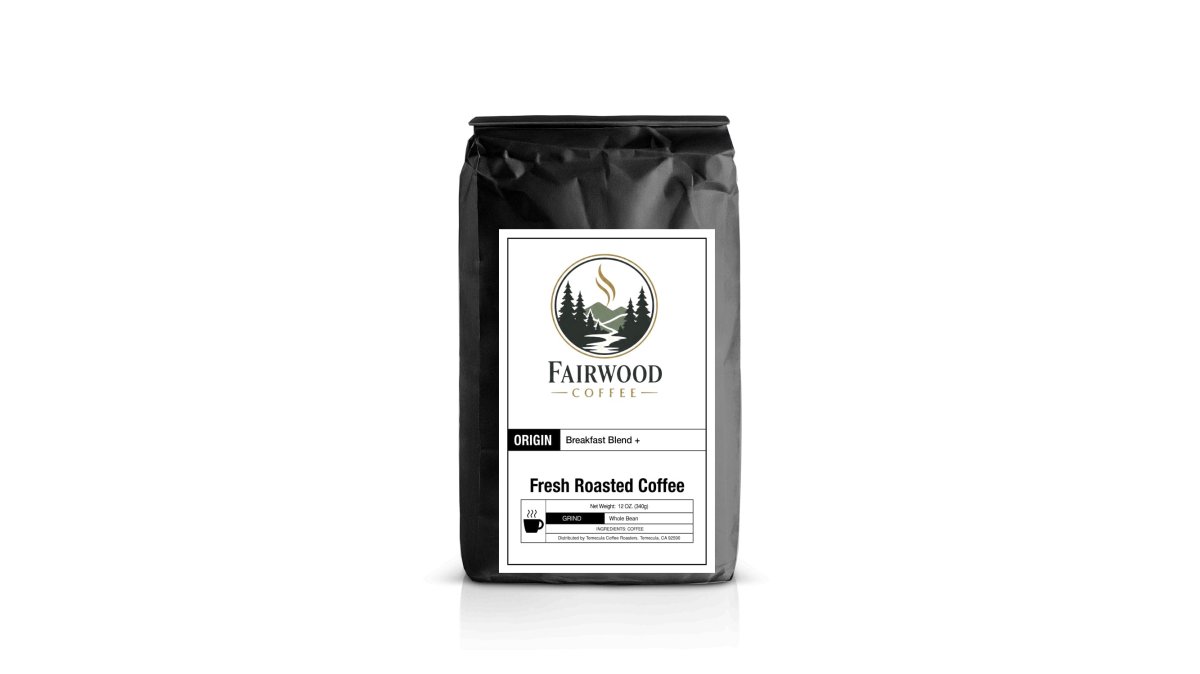
Fairwood Coffee is our top pick because it delivers artisan blends straight to your door with fast, automated fulfillment, so a remote worker never runs out mid-deadline. The platform handles the logistics and removes inventory management from your plate entirely. You pick a rhythm, and boxes arrive without you reordering each time.
Fairwood Coffee Pricing Breakdown
Pricing is straightforward, with no hidden membership fee. Here is what the core lineup costs:

| Product | Price | Best For |
|---|---|---|
| Breakfast Blend + | $24.99 | Everyday medium roast with extra caffeine |
| Max Caf Blend | $24.99 | High-caffeine days |
| Half Caf | $24.99 | Afternoon cups without the jitters |
| Coffee with Mushrooms (Medium or Dark) | $20.99 | Focus and balance |
| Instant Coffee | $20.99 | 30 servings, no equipment |
| 12 Pack Single Serve Capsules | $19.99 | Testing a capsule routine |
| 60 Pack Single Serve Capsules | $64.99 | High-volume capsule users |
| Travel mug with a handle | $43.75 | Desk-to-commute use |
Best for Discovery and Variety: Fairwood Coffee Blends
Variety is where most subscriptions disappoint: you get locked into one roast and grow bored by month three. Fairwood Coffee sidesteps that by letting you rotate across blends with distinct profiles. The Coffee with Mushrooms Medium Roast ($20.99) brings Lion's Mane, Cordyceps, and Reishi into a specialty-grade cup, while the dark roast version suits anyone who prefers deeper, bolder notes.

Best for Espresso Lovers and Budget-Conscious Drinkers
Espresso drinkers need consistency above all, and the Max Caf Blend ($24.99) holds its character under pressure thanks to its Tanzania and India Robusta base.
How to Choose a Coffee Subscription Frequency
- One cup a day: a bag every three to four weeks
- Two cups a day: a bag every two weeks
- Three or more cups a day: weekly delivery or a bulk capsule pack
- Variable schedule: choose a flexible plan you can pause
Fairwood Coffee's automated fulfillment means you can adjust the rhythm without reordering manually each cycle. Start slower than you think you need, then increase once you know your real pace.
Best Coffee Brewing Methods for Home Offices
The best brewing method for a home office is the one that fits your counter space, your cleanup tolerance, and the length of your shortest break between meetings. But the method also dictates which subscription format actually works for you. Here is the pairing matrix we use.
| Brew method | Best subscription format | Grind to request | Typical brew time | Why it fits remote work |
|---|---|---|---|---|
| Drip machine | Whole bean, medium roast, 12 oz bags | Medium | 5-8 min unattended | Brews a full carafe while you answer email; forgiving of slight grind drift |
| Pour-over (V60, Chemex) | Whole bean, single-origin or light-medium roast | Medium-fine (V60), medium-coarse (Chemex) | 3-4 min hands-on | Rewards a deliberate five-minute break; highlights roast-date freshness |
| French press | Whole bean, medium-dark or dark roast | Coarse | 4 min steep + 4 min press | No paper filters to restock; body-forward cup suits dark-roast subscribers |
| AeroPress | Whole bean, medium or medium-fine | Fine-medium | 2-3 min | Fast, portable, low cleanup; ideal for one-cup-a-day subscribers |
| Moka pot | Whole bean, medium-fine | Fine | 5 min | Stovetop espresso-style concentrate without a full espresso machine |
| Espresso machine | Whole bean, espresso blend or single-origin | Espresso-fine | 25-30 sec per shot | Consistency matters more than variety; a stable blend beats rotating roasts |
| Capsule machine | Single-serve capsules | Pre-ground, sealed | 30-60 sec | Zero grind fuss; sealed capsules hold freshness longer than an opened bag |
| Instant | Instant coffee | N/A | 90 sec | The only realistic option when you have under two minutes between calls |
A few practical notes that the matrix cannot capture:
- Grind freshness beats grind fineness. If you own a burr grinder, order whole bean and grind immediately before brewing. If you do not, ask the roaster to grind to your method at checkout, most subscriptions let you specify this per bag, and pre-ground coffee stales faster once the bag is opened.
- Water temperature matters more than most people think. For pour-over and AeroPress, aim for roughly 195-205°F (about 90-96°C). Boiling water straight from the kettle scalds light roasts and flattens dark ones.
- Ratio is the fastest lever you can pull. A common starting point is 1 gram of coffee to 15-17 grams of water. If your cup tastes thin, tighten the ratio before you blame the beans.
- Match the subscription cadence to the method, not just your caffeine intake. A French press user brewing a 32 oz press every morning burns through beans faster than an AeroPress user pulling single cups. The same subscription frequency will not serve both.
Specialty Coffee Association brewing standards and ratios
How to Manage Coffee Inventory at Home
Inventory management is the quiet reason people abandon coffee subscriptions. Beans go stale, cabinets overflow, and the whole system starts to feel like a chore you did not sign up for. The fix is not more discipline, it is a cadence that matches your real consumption, plus a few habits that stop backlog from forming in the first place.
The two-bin method, adapted for subscriptions
Keep one bag in active use and one sealed bag in reserve. Never open the reserve until the active bag is nearly empty. Store beans in an airtight container away from light and heat, and keep them out of the fridge, where moisture and odors creep in.
Diagnosing subscription fatigue before you cancel
Subscription fatigue rarely shows up as "I hate this coffee." It shows up as a cabinet full of unopened bags, a vague sense of guilt every time a box arrives, and a cancellation you make in frustration rather than on purpose.
The fix is a three-step audit:
- Count actual cups, not intended cups. Track your real daily intake for one week.
- Compare that number to your delivery volume.
- Pause before you cancel. Most subscriptions let you skip a shipment or push the next one back by a week or two. A pause preserves your account and your pricing; a cancellation throws both away.
Pause cycles, skip options, and one-time top-ups
The most underused feature in coffee subscriptions is the skip. A heavy travel week, a stretch of iced-coffee weather, or a temporary switch to tea does not require cancelling, it requires skipping one shipment and resuming on the next cycle. Pair that with one-time top-up orders for unusually busy weeks.
FDA guidance on food storage and shelf life
Conclusion
Managing coffee while working from home should not become another task on your list. Fairwood Coffee solves it with artisan blends, fast automated fulfillment, and a platform that removes inventory management from your routine. Choose your blends, set a frequency you can actually keep, and let delivery handle the rest. Get started with Fairwood Coffee and keep a fresh cup within reach of every deadline.
Frequently Asked Questions
What makes a coffee subscription ideal for remote workers?
A coffee subscription removes the need to reorder or run out mid-workday. For remote workers, the main benefits are automatic delivery, consistent quality, and one less errand. Fairwood Coffee delivers artisan blends and branded gear straight to your door with fast, automated fulfillment, so your home office stays stocked without inventory management. Look for flexible frequency, a clear cancellation policy, and roast-to-order freshness when comparing options.
How do I choose the right coffee subscription frequency?
Start by counting how many cups you drink per day and multiply by the days you work from home. A single 12 oz bag typically makes 16 to 20 cups, so a daily two-cup drinker needs roughly two to three bags per month. Choose a frequency that matches that pace, then adjust after the first delivery. Fairwood Coffee lets you control how often boxes arrive, which prevents both pantry pileups and mid-week shortages.
Are artisan coffee subscriptions worth the cost for home offices?
They can be, if you value freshness and convenience over the lowest per-cup price. Fairwood Coffee blends start at $20.99 for the Coffee with Mushrooms line and $24.99 for Breakfast Blend +, Max Caf Blend, and Half Caf. The 60 Pack Single Serve Coffee Capsules cost $64.99, which works out to about $1.08 per capsule. Compare that against daily cafe runs and the math often favors a subscription.
Can I automate my coffee delivery for my home office?
Yes. Fairwood Coffee uses fast, automated fulfillment so orders ship without you reordering each time. You set the frequency once and the platform handles the rest. If something goes wrong or you need to pause, you can reach a real person rather than a chatbot loop. That combination of automation and human support is what separates a workable subscription from one you cancel after two months.
What is the best way to store coffee beans for a remote worker?
Keep whole beans in an airtight container away from light, heat, and moisture. A cupboard near the kettle works better than a shelf above the espresso machine. Buy in quantities you will finish within two to three weeks of the roast date, and grind just before brewing. If your home office is tight on space, the 12 Pack Single Serve Coffee Capsules at $19.99 take up less room than multiple bags.