

Coffee Alternatives That Boost Morning Energy Without Jitters
Quick Summary
Coffee alternatives to boost morning energy include matcha, hojicha, black tea and yerba mate, which give a milder, steadier lift than coffee. Caffeine-free options such as chicory root coffee and mushroom blends suit people who want less stimulant. Choose by how much caffeine you can handle and what kind of morning lift you want.
- Brewed coffee has about 95 mg of caffeine per serving, while matcha has about 60-70 mg.
- Hojicha has about 20-30 mg of caffeine, making it a mild option for sensitive drinkers.
- Chicory root coffee and mushroom blends can be caffeine-free, though their effects are less settled.
- Caffeine has a half-life of roughly five hours, so switch to lower-caffeine drinks later in the day.
- Check with a clinician before trying herbal or mushroom products if you take prescription medication.
Table of Contents
- Why Look for Coffee Alternatives to Boost Morning Energy
- How Caffeine Content Compares Across Coffee Alternatives
- Caffeinated Alternatives: Matcha, Green and Black Tea
- Caffeine-Free Alternatives to Coffee for Energy Without the Crash
- Mushroom Coffee Blends and Other Coffee Alternative for Energy No Caffeine
- Healthy Alternatives to Coffee for Energy: Choosing What Fits Your Routine
- Start Your Morning Switch With Fairwood Coffee
- Frequently Asked Questions
Why Look for Coffee Alternatives to Boost Morning Energy
Many people reach for a second cup of coffee by mid-morning, then find that the jitters, the racing heart or the afternoon crash arrive right on schedule. Coffee alternatives to boost morning energy give you a different way to feel alert, and they can be easier on your nerves.
If you are looking for a switch, the practical question is simple: what kind of lift do you want, and how much caffeine can you tolerate? The sections below answer both, starting with how caffeine content actually compares across the drinks you are likely to try.
How Caffeine Content Compares Across Coffee Alternatives
Caffeine is the main reason most people choose a coffee alternative, so it helps to know roughly where each drink sits per typical serving. Caffeine amounts vary with variety, brewing method, water temperature, and how much leaf or powder you use, so check each product's packaging for specifics.
| Option | Typical Caffeine per Serving | Energy Character | Best For |
|---|---|---|---|
| Brewed coffee | About 95 mg | Sharp, fast lift | Maximum alertness |
| Espresso | About 63 mg | Concentrated, quick | Small but strong |
| Decaf coffee | About 2-5 mg | Minimal stimulant | Coffee taste, low caffeine |
| Black tea (e.g., English Breakfast) | About 40-70 mg | Milder, steadier | Replacing coffee gently |
| Masala chai | About 40-60 mg | Spiced, warming | A richer morning cup |
| Matcha | About 60-70 mg | Smooth, sustained focus | Less jitter with focus |
| Hojicha | About 20-30 mg | Mild, toasty calm | Sensitive drinkers, later day |
| Yerba mate | About 65-85 mg | Balanced, social | A tea-like coffee swap |
| Chicory root "coffee" | 0 mg | Roasted, coffee-like | Caffeine-free coffee taste |
| Mushroom coffee blends | 0 mg to about 50 mg | Grounded, low stimulant | Caffeine-free or low-caffeine routines |
Serving size matters as much as the drink itself. A small cup of matcha delivers a different dose than a large mug of black tea, and a blend labeled high caffeine can land close to a regular coffee. Read the label on every product, because caffeine content depends on the variety, the brewing method, and how much powder or leaf you use.
If you are trying to step down gradually, move one row at a time rather than jumping from coffee straight to a caffeine-free drink.
Typical caffeine per serving by coffee alternative
Caffeinated Alternatives: Matcha, Green and Black Tea
Teas are the most natural step down from coffee. You keep a caffeine kick, but the effect is usually milder and more even. The trade-off is that tea needs a little more attention in preparation, so it suits people who enjoy a slower routine.
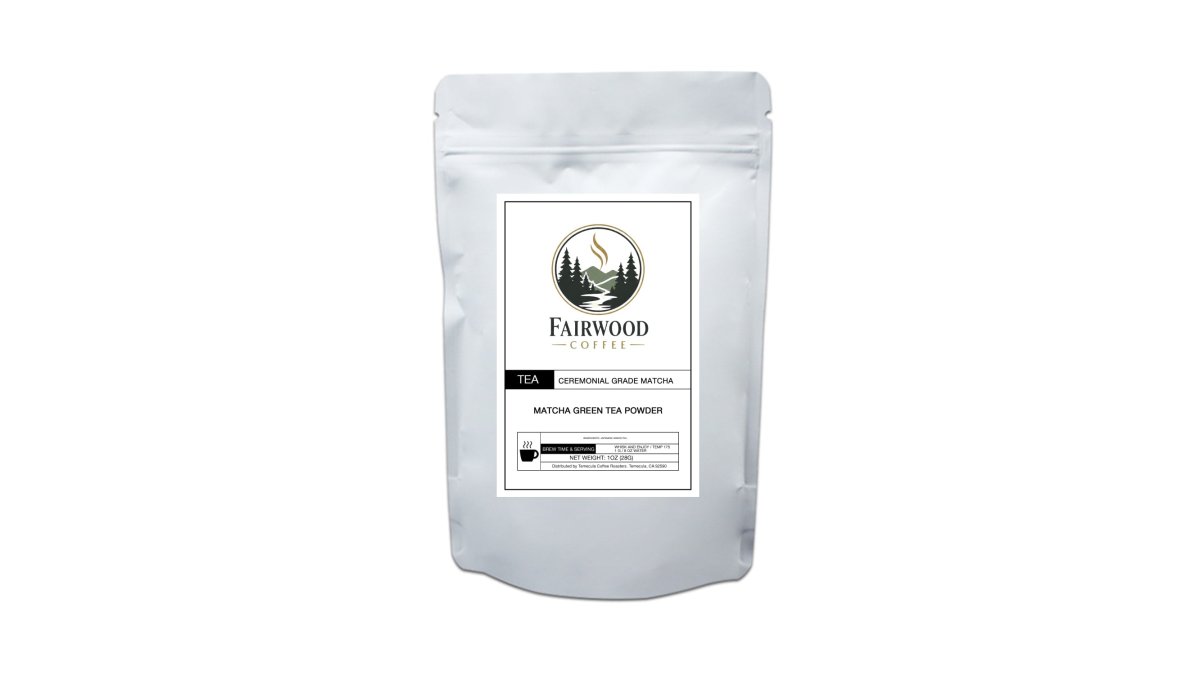
Matcha and Hojicha: Smooth Energy With Less Jitter
Our matcha is crafted for traditional preparation and mindful daily rituals, so whisking it becomes part of the morning rather than a rush.
If you want something gentler still, hojicha is a roasted green tea powder with comforting notes of toasted cereal and balanced umami. It brews into a smooth cup.
English Breakfast and Masala Chai for a Stronger Cup
For people who miss the body of a strong coffee, black tea is a natural fit. Our English Breakfast is strong enough to stand up to milk and sugar, with a rustic, sweet character.
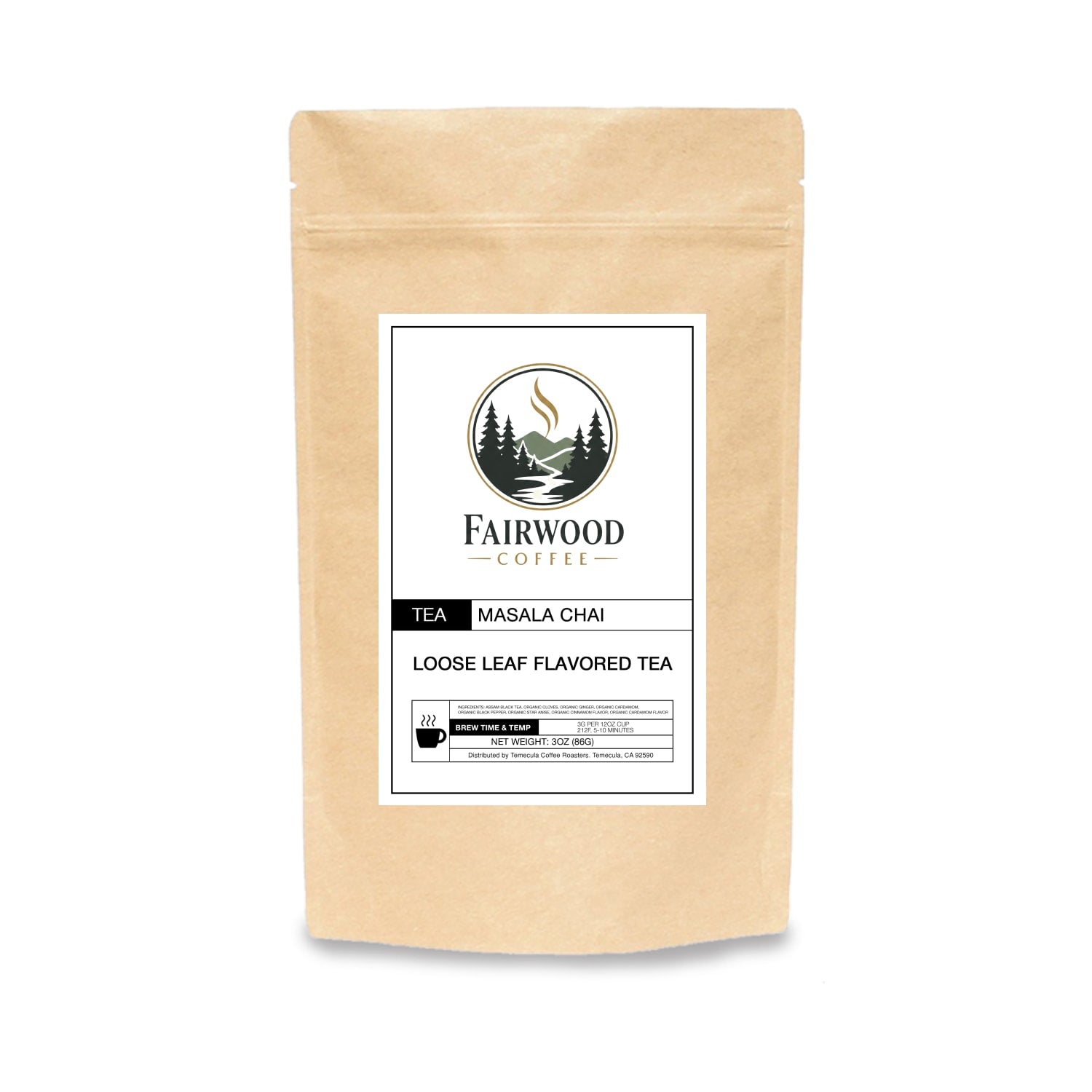
For a bolder option, masala chai brings full-bodied, aromatic and intense spice.
Caffeine-Free Alternatives to Coffee for Energy Without the Crash
If caffeine is the problem, you may want a drink that does not rely on it at all. Caffeine-free options cannot deliver the same kick as coffee, so set your expectations accordingly. What they can offer is a warm, ritual-style drink that helps you start the morning without the stimulant load.
Mushroom Coffee Blends and Other Coffee Alternative for Energy No Caffeine
Mushroom coffee is one of the more distinctive options. Our Instant Coffee with Mushroom is blended with Lion's Mane, Cordyceps and Reishi mushroom powder. Each package provides about 42 servings; simply add hot water, stir, and enjoy.
Our Coffee with Mushrooms Medium Roast and Dark Roast are specialty-grade coffees infused with Lion's Mane, Cordyceps, and Reishi mushrooms.
Healthy Alternatives to Coffee for Energy: Choosing What Fits Your Routine
The right choice depends on three things: how much caffeine you can handle, what you want from your morning, and how much time you have to prepare a drink. Most guides stop at a list of drinks; the decision guide below is built around your goal and your sensitivity, so you can pick an option with a predictable effect rather than guessing.
Match the drink to your goal
- You want the strongest lift: A high-caffeine blend such as Max Caf Blend or Breakfast Blend + will feel most like coffee. Keep the serving small and drink it early.
- You want smooth, sustained focus: Matcha gives steady alertness with less jitter for many drinkers, largely because the caffeine comes with the amino acid L-theanine, which is associated with a calmer, more even effect.
- You are sensitive to caffeine or prone to jitters: Hojicha or a mushroom blend keeps the ritual with a lower or zero stimulant load. Start with one cup and note how you feel within an hour.
- You want a coffee-like taste without caffeine: Chicory root "coffee" and decaf coffee are the closest matches in flavor and ritual.
- You want a classic, familiar cup: English Breakfast or masala chai replaces coffee with warmth and body, especially with milk.
Separate established effects from hopeful claims
Caffeine's alertness effect is well established: it blocks adenosine, the molecule that builds up sleep pressure, so you feel less drowsy. That is why coffee, tea, matcha, and yerba mate reliably wake people up. Claims about adaptogens, mushrooms, and other botanicals are much less settled. Some people report steadier energy or less stress, but the evidence is mixed and often based on small studies. Treat those drinks as pleasant rituals with possible modest benefits, not as guaranteed energy boosters.
Time it around sleep
Caffeine's half-life is roughly five hours for most adults, meaning about half of what you drink is still in your system five hours later. A strong caffeinated option late in the afternoon can still affect sleep at night, and poor sleep makes the next morning harder. A common pattern is to keep stronger options before midday and switch to lower-caffeine or caffeine-free drinks later. If you are sensitive, cap caffeine at one or two servings and finish by early afternoon.
Know when to use caution
Herbal and mushroom ingredients can interact with medications, so check with a clinician if you take prescription drugs or have a health condition (Herbal remedies and dietary supplements - Overview).
Start Your Morning Switch With Fairwood Coffee
Switching from coffee does not have to be all or nothing. You can alternate a tea or mushroom blend with your usual cup, then phase out the coffee as you find what works. Our Breakfast Blend is a lightly roasted blend of South American coffees with tasting notes of walnuts, mild apple, slight raisin and toffee. For a stronger start, our Breakfast Blend + adds Robusta for extra caffeine.
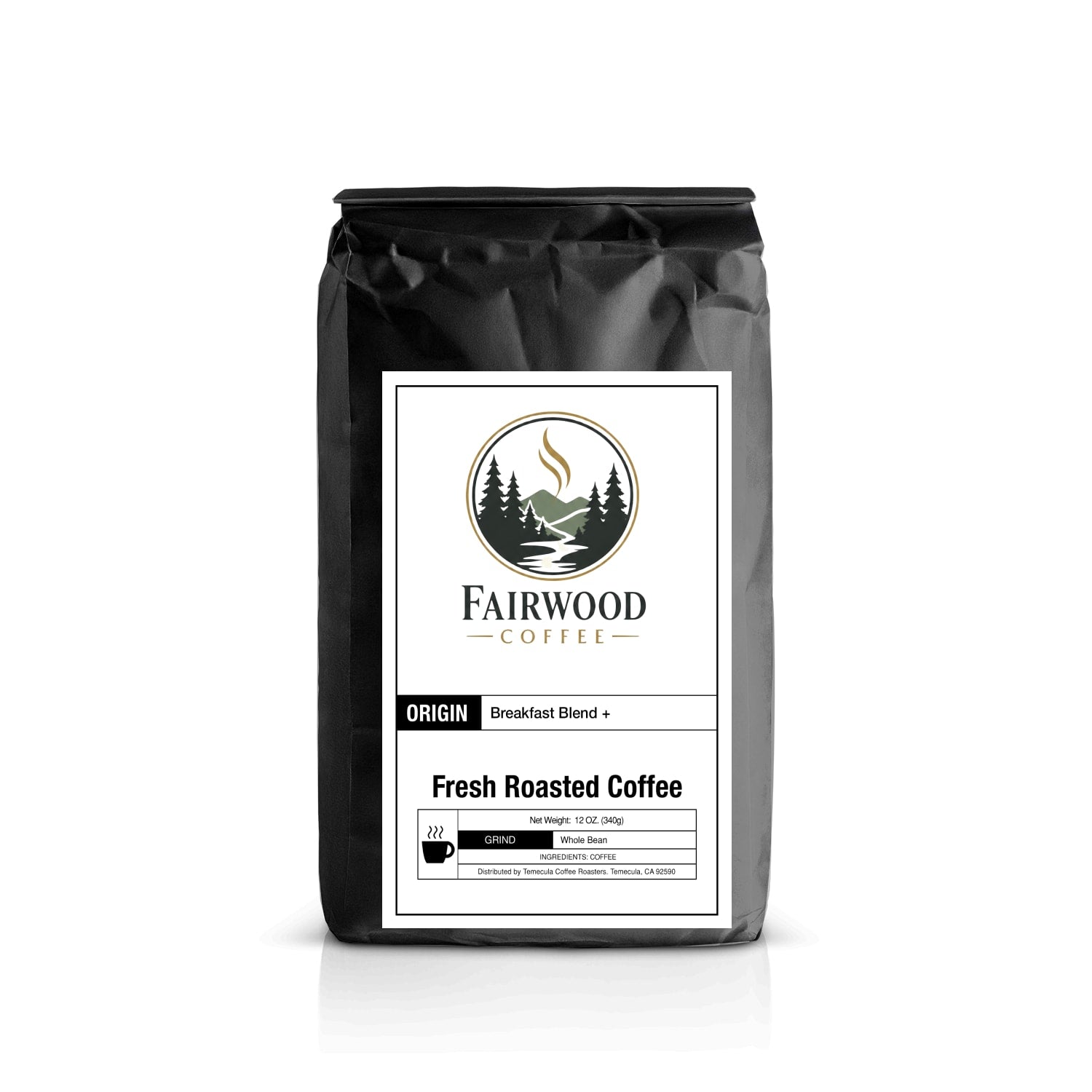
Fairwood Coffee delivers artisan coffee blends and premium branded gear directly to your door with fast, automated fulfillment. Pick one alternative, brew it for a week, and notice how your energy and focus change before you decide what belongs in your routine.
Frequently Asked Questions
What can I drink in the morning for energy instead of coffee?
Matcha, hojicha and English Breakfast tea are common morning swaps that supply energy with less caffeine than a typical coffee.
Which coffee alternatives contain caffeine?
Matcha, English Breakfast tea, Masala Chai and Fairwood's Max Caf Blend all contain caffeine, though amounts vary by serving size and preparation.
How can I boost my energy in the morning without coffee?
Pair a caffeine-free or low-caffeine drink with a glass of water, a small protein-rich breakfast and a short walk after waking. Mushroom blends such as Fairwood's Instant Coffee with Mushroom offer a caffeine-free ritual, though they should not be expected to deliver the same stimulant effect as coffee.
