

Dark Timber Coffee Alternative: Bold Roasts Compared
Table of Contents
- What Is a Dark Timber Coffee Alternative?
- Bold Coffee Blends That Match Dark Timber's Flavor Profile
- Comparison Table: Dark Roast Coffee Beans and Their Characteristics
- Low-Acid Coffee Options for Sensitive Stomachs
- How to Store Coffee Beans for Maximum Freshness
- Pricing and Value: What You're Paying For
- Making Your Choice: Which Alternative Fits Your Needs
- Frequently Asked Questions
Last Updated: October 17, 2026
What Is a Dark Timber Coffee Alternative?
A dark timber coffee alternative refers to bold, heavily roasted coffee beans that deliver the deep, rich flavor profile associated with dark roasts. When you're searching for a dark timber coffee alternative, you're looking for beans processed to bring out bittersweet notes, low acidity, and that characteristic oily sheen that comes from extended roasting. These aren't substitutes in the sense of replacing coffee entirely, they're premium coffee options engineered to match the exact flavor intensity and body you'd expect from dark roasts.
The appeal of seeking a dark timber coffee alternative lies in consistency and quality. Grocery store dark roasts vary wildly in flavor and freshness. A true dark timber coffee alternative delivers predictable results: bold character, smooth body, and that satisfying finish that makes mornings feel intentional. At Fairwood Coffee, we source and roast beans specifically to hit this flavor profile.
What separates a real dark timber coffee alternative from generic dark roast? It comes down to origin, processing, and roast precision. The best alternatives combine high-quality single-origin beans or carefully curated blends with roasting methods that enhance rather than destroy the coffee's natural characteristics. You're paying for beans that taste better because they started better and were treated better throughout the process.
Bold Coffee Blends That Match Dark Timber's Flavor Profile
Finding bold coffee blends that match dark timber's intensity requires understanding what creates that signature depth. The roast level matters most, you need a roast dark enough to bring forward those bittersweet, chocolate-forward notes. But origin and processing matter equally. African coffees roasted dark deliver different character than Central American beans roasted the same way.
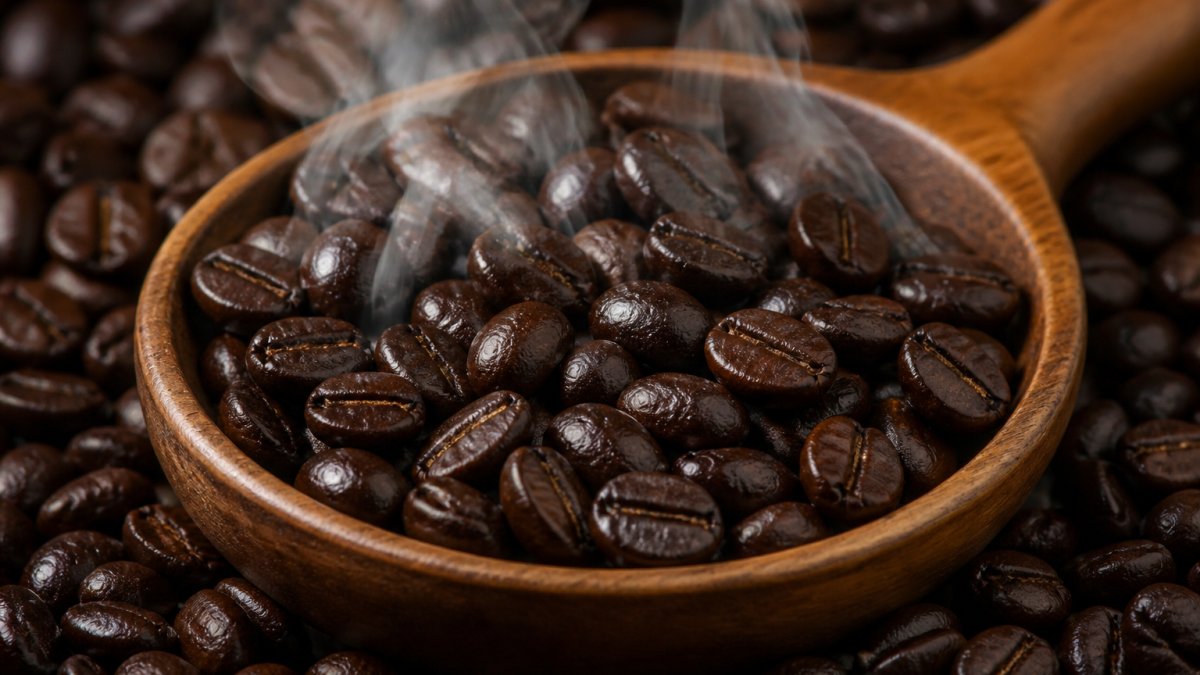
French Roast: Rich African Coffees with Bittersweet Notes
French Roast represents one of the most accessible dark timber coffee alternatives available. This blend combines our highest-scoring African coffees into a single, purposeful roast. The beans emerge shiny with an oil sheen and deliver exactly what the name promises: bold, rich coffee flavor with bittersweet undertones and low acidity.
What makes French Roast work as a dark timber coffee alternative is its restraint. Many dark roasts push too far into char territory, destroying the coffee's origin character entirely. French Roast stops short of that. You still taste the coffee, the chocolate notes, the subtle dried fruit undertones, but everything is amplified and deepened. The low acidity means it won't irritate your stomach, and the body is full without feeling heavy.
French Roast costs $24.99 per bag at Fairwood Coffee.
Italian Roast: Extra-Dark Central American Blend
Italian Roast pushes darker than French Roast. This extra-dark oily roast made from Central American coffees delivers deep, heavy coffee flavor. Origin characteristics are diminished, that's intentional. When you want pure dark roast intensity without origin nuance, Italian Roast delivers.
The difference between French Roast and Italian Roast comes down to roast philosophy. French Roast respects the coffee's origin story. Italian Roast erases it. Central American coffees have natural sweetness and body. When roasted to Italian darkness, that sweetness becomes caramel and molasses. Acidity drops to nearly nonexistent. The result is a coffee that feels substantial in your cup and leaves a lingering finish.
Italian Roast is also $24.99 per bag.
Sumatra: Full-Bodied Single Origin with Earthy Character
Sumatra represents a different approach to dark timber coffee alternatives. Rather than a blend, this is a single-origin coffee from Aceh, Takengon, processed using the Giling Basha method (wet-hulling). The result is a full-bodied coffee with medium acidity, syrupy body, and distinct cupping notes: dark chocolate, dried fruit, and earthy character with a long lingering body.
What makes Sumatra compelling as a dark timber coffee alternative is its complexity within darkness. This isn't a one-note roast. The wet-hulling process creates coffees with natural body and texture that shine even at darker roast levels. You taste chocolate and earth, yes, but also subtle dried fruit notes that keep each cup interesting.
The Sumatra comes from smallholder farmers organized through the Koperasi Baitul Qiradh Baburrayyan cooperative, grown at 1100-1600 meters altitude. The volcanic soil and altitude combination creates coffees with inherent structure, they can handle darker roasts without falling apart. At $24.99 per bag, Sumatra is a dark timber coffee alternative.
Bali Blue: Med-Dark Single Origin from Volcanic Soil
Bali Blue occupies the middle ground between bold coffee blends and lighter single origins. This med-dark roast from Kintamani, Bali delivers dark chocolate, molasses, and brown sugar notes. The beans come from smallholder farmers growing Bourbon, Typica, and Catimor varieties in volcanic loam soil at 1200-1600 meters.
The volcanic soil creates natural sweetness and body in Bali Blue that persists through the roast. Hand-picked, wet-hulled, and dried on raised beds, these beans arrive with structure and complexity. The med-dark roast level preserves some origin character while delivering the dark, rich flavor you're seeking in a dark timber coffee alternative.
Bali Blue costs $24.99 per bag.
Comparison Table: Dark Roast Coffee Beans and Their Characteristics
| Coffee | Type | Roast Level | Flavor Profile | Acidity | Body | Best For |
|---|---|---|---|---|---|---|
| French Roast | Blend | Dark | Bittersweet, chocolate, African origin | Low | Full | Consistent dark roast daily drinkers |
| Italian Roast | Blend | Extra-Dark | Deep, heavy, molasses, caramel | Nearly None | Heavy | Milk-based drinks, maximum intensity |
| Sumatra | Single Origin | Dark | Dark chocolate, dried fruit, earthy | Medium | Syrupy | Coffee enthusiasts seeking complexity |
| Bali Blue | Single Origin | Med-Dark | Dark chocolate, molasses, brown sugar | Low | Full | Darkness with preserved origin character |
Low-Acid Coffee Options for Sensitive Stomachs
If you're seeking a dark timber coffee alternative because regular coffee bothers your stomach, acidity is your real concern. Dark roasts naturally have lower acidity than light roasts. But roast level alone doesn't guarantee a stomach-friendly cup.

Processing method matters significantly. Wet-hulled coffees like Sumatra and Bali Blue have naturally lower acidity than washed coffees. If low acidity is your priority, prioritize Sumatra or Bali Blue over the blends.
French Roast and Italian Roast both deliver low acidity through roast level, but the blends don't specify their processing methods. At $24.99 per bag, either Sumatra or Bali Blue represents a low-acid dark timber coffee alternative.
How to Store Coffee Beans for Maximum Freshness
Buying the best dark timber coffee alternative means nothing if your storage degrades it within days. Coffee beans are hygroscopic, they absorb moisture from the air, and they oxidize when exposed to oxygen. Storage determines whether your beans taste fresh or stale by week two.
Store your beans in an airtight container away from light, heat, and moisture. Keep the container in a cool, dark place. Your pantry is ideal. Your refrigerator or freezer is not, the temperature fluctuations cause condensation inside the container, introducing moisture that ruins beans.
Whole beans stay fresh for 2-4 weeks after roasting if stored correctly. Ground coffee stays fresh for 1 week maximum. If you're buying a dark timber coffee alternative, buy whole beans and grind immediately before brewing.
Pricing and Value: What You're Paying For
All four Fairwood Coffee dark timber coffee alternatives cost $24.99 per bag. This price point reflects quality, not arbitrary markup. You're paying for:
Single-origin sourcing. Sumatra and Bali Blue come from specific cooperatives and farms. We know the farmers. We know the altitude, soil type, and processing method. That traceability costs more than buying commodity beans.

Roast precision. Dark roasts are harder to execute than light roasts. The roasting window is narrower. One minute too long and the beans taste burnt. Our roasters develop the skill to hit dark roast consistently.
Freshness. Your beans ship with fast, automated fulfillment. You're paying for coffee, not coffee that's been sitting in a warehouse for months.
Consistency. A $24.99 bag from Fairwood Coffee offers consistency. That consistency requires sourcing discipline and roast discipline.
If you're comparing to grocery store dark roasts at $8-12 per bag, you're comparing different products. Grocery store beans are often from unknown origins. The Fairwood Coffee dark timber coffee alternative costs more.
Making Your Choice: Which Alternative Fits Your Needs
Choosing between these dark timber coffee alternatives comes down to three questions: complexity or consistency, origin story or pure intensity, and budget.
If you want consistency: French Roast. Same beans, same roast level, same result every morning. No surprises.
If you want maximum darkness: Italian Roast. This is the darkest option available. If you've already committed to dark roasts and want to go deeper, this is where you go.
If you want complexity within darkness: Sumatra. This single origin delivers chocolate, fruit, and earth notes that keep each cup interesting. You taste the coffee's origin story even at dark roast levels.
If you want darkness without harshness: Bali Blue. Med-dark roast level preserves some origin character while delivering substantial flavor. This is the compromise between bold coffee blends and lighter single origins.

If you have a sensitive stomach: Sumatra or Bali Blue. Both are wet-hulled, which naturally lowers acidity. French Roast and Italian Roast rely on roast level for acidity reduction, which is less reliable.
All four options cost $24.99 per bag.
Choosing a dark timber coffee alternative shouldn't mean settling for inconsistent quality or guessing whether this month's bag will taste like last month's. At Fairwood Coffee, we deliver artisan roasts directly to your door with the consistency that matters. Our dark roasts, whether you choose the bold complexity of Sumatra, the pure intensity of Italian Roast, or the reliable character of French Roast, arrive fresh and taste exactly as intended. Learn more about coffee roasting and flavor development to deepen your understanding, then explore which Fairwood blend matches your morning ritual. We've engineered these dark timber coffee alternatives to eliminate the guesswork. Order today and taste the difference that precision sourcing and careful roasting make.
Frequently Asked Questions
What is a good alternative to Dark Timber coffee?
Bold, dark roast coffee blends with low acidity offer the closest match to Dark Timber's profile. Look for beans described as extra-dark or oily roasts with bittersweet flavor and minimal acidity. Single-origin coffees from Indonesia, like Sumatra or Bali Blue, deliver similar full-bodied, earthy characteristics. Fairwood Coffee's French Roast and Italian Roast are both crafted to provide that deep, rich coffee flavor Dark Timber drinkers seek.
Are dark-roast coffee beans stronger than light-roast beans?
Dark roasts taste bolder and more intense. The longer roasting process develops deeper, more pronounced flavors, dark chocolate, molasses, bittersweet notes. If you're seeking dark roast coffee beans for flavor impact rather than caffeine content, dark roasts deliver the robust, full-bodied character you're after.
How can I find a coffee alternative with low acidity?
Low-acid coffee options include extra-dark roasts and coffees processed using wet-hulling methods. Look for tasting notes that mention 'smooth,' 'earthy,' or 'bittersweet' rather than 'bright' or 'crisp.' Fairwood's Italian Roast has non-existent acidity, while Sumatra offers medium acidity with a syrupy body.
How should I store coffee beans to keep them fresh?
Store coffee beans in an airtight container away from light, heat, and moisture. Keep them at room temperature in a dark cupboard or pantry. Use beans within 2-4 weeks of roasting for peak freshness.