

How to Choose Between Bones and Stone Creek Coffee
Last Updated: November 2, 2026
Quick Summary
Choose Bones Coffee if you want bold, flavored coffees, and Stone Creek Coffee if you want everyday balance across roast and brew methods. Either way, check the roast date and compare cost per ounce, including shipping, before you buy a bag.
- Bones Coffee leans toward flavored coffees, while Stone Creek blends suit everyday drinkers.
- Check the roast date, aiming for within the last two to four weeks, rather than the best-by date.
- Compare cost per ounce and include shipping, since a larger bag can cost less per cup.
- Run a side-by-side tasting with the same dose, grind, water and brew time to compare roast quality.
- Buy whole bean and store it in an airtight container away from light and heat.
Table of Contents
- Bones Coffee vs Stone Creek Coffee at a Glance
- Bones Coffee Flavors and Stone Creek's Everyday Blends
- Roast Level, Freshness and Taste Profile Compared
- Bones Coffee Price, Price per Ounce and Shipping Costs
- Which Roaster Works Best for Espresso and Cold Brew
- Bean Sourcing, Certifications and Flavored vs Unflavored Options
- Choosing Your Next Bag of Coffee
- Frequently Asked Questions
Bones Coffee vs Stone Creek Coffee at a Glance
Choosing between Bones Coffee and Stone Creek Coffee comes down to one question: do you want bold flavor or everyday balance? Bones Coffee leans toward flavored coffees. Stone Creek positions its blends for everyday drinkers and flavor-chasers alike, across a range of roast and brew methods. At Fairwood Coffee, we think the decision starts with how you drink coffee, not which brand has the louder name.
Bones Coffee Flavors and Stone Creek's Everyday Blends
A reviewer of Bones Coffee noted that its unflavored selection was relatively limited. If you mostly drink plain coffee, check how many unflavored options each roaster offers before you commit to a bag.
Roast Level, Freshness and Taste Profile Compared
Roast level is the single biggest lever on what a coffee tastes like. Roasters vary in the levels they offer, so check each product page for the roast details of the blend you are considering.
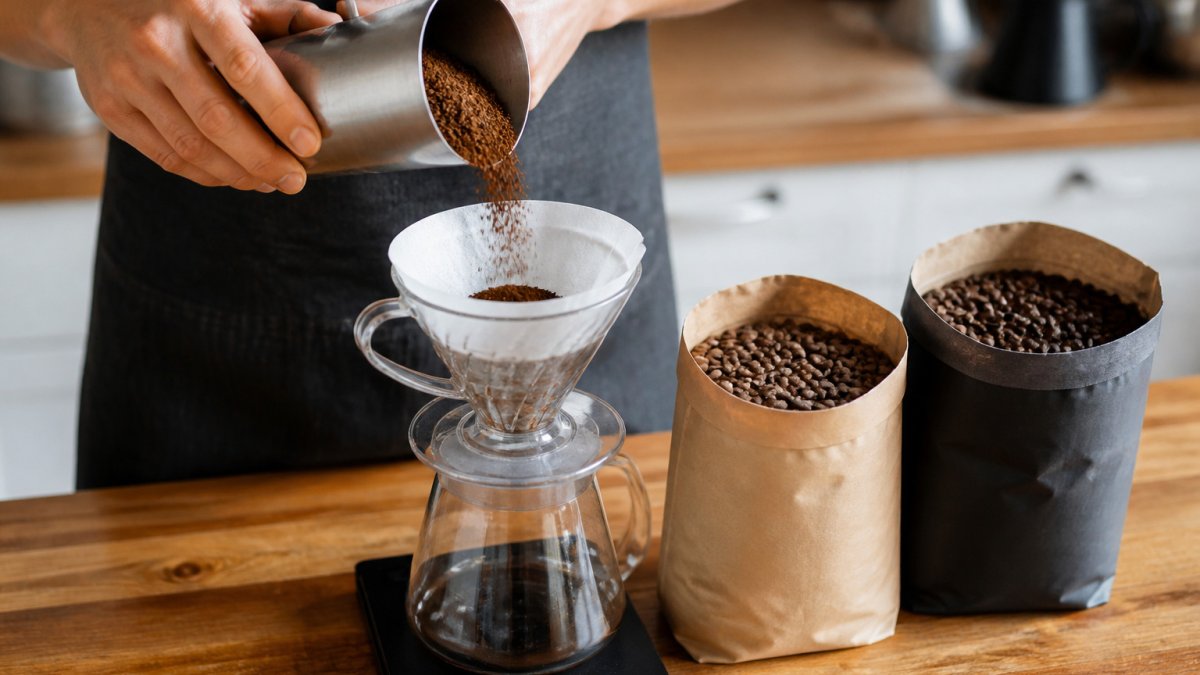
Freshness is the great equalizer. Whole bean coffee generally holds flavor longer than ground coffee because the bean's surface area is smaller. The practical test is the roast date, not the best-by date. A bag stamped with a roast date within the last two to four weeks is what you want; a bag with only a best-by date tells you nothing about how long it has sat. Buy in quantities you can finish within a few weeks of opening, and store beans in an airtight container away from light and heat.
Bitterness and burnt notes are the most common complaints about dark roasts, and they usually signal over-roasting or stale beans rather than a bad origin. A smooth cup comes from balanced roasting plus fresh product. The most reliable way to compare these two roasters is a side-by-side tasting: buy one unflavored bag from each, brew both with the same method and ratio on the same day, and taste them black before adding anything. That single test tells you more about roast quality than any product description.
The article's key freshness and roast points can be scanned at a glance:
| Factor | What to check | Why it matters |
|---|---|---|
| Roast date | Within the last two to four weeks | Shows freshness better than best-by date |
| Whole bean vs ground | Whole bean | Holds flavor longer due to smaller surface area |
| Bitterness | Often over-roasting or stale beans | Signals roast or freshness, not origin |
| Storage | Airtight, away from light and heat | Protects freshness after purchase |
| Taste test | Same dose, grind, water and time | Isolates the bean from brewing variables |
Bones Coffee Price, Price per Ounce and Shipping Costs
Pricing depends on quantity, delivery and any subscription or bundle you choose, so check current prices on each website before you buy. Compare cost per ounce rather than the sticker price. A larger bag can look expensive yet cost less per cup.
Shipping is the other variable. A bag that looks cheap can become costly once delivery is added, especially for a single order. Confirm delivery fees and minimum order amounts at checkout.
At Fairwood Coffee, we recommend calculating the full cost of a month's supply, including shipping, before comparing any two roasters. That single number tells you more than any headline discount.
Which Roaster Works Best for Espresso and Cold Brew
Espresso and cold brew make different demands on beans, so the right choice depends on how you brew. Espresso rewards a dense, balanced roast with clear sweetness and body. Cold brew, which steeps coarse grounds in cold water for many hours, tolerates a wider range of roasts and often tastes smoother than hot-brewed coffee.
If you want a reliable espresso shot at home, check the roast date and the brew methods listed on the product page.
Brewing performance varies by method, so test each bag with the equipment you own before buying in bulk.
Bean Sourcing, Certifications and Flavored vs Unflavored Options
Sourcing transparency is where these two roasters tell different stories. If knowing the farm or region matters to you, check each product page for origin information before you buy. A roaster that names its growers or regions is easier to trust than one that does not, and the absence of a certification is not proof of poor sourcing, only a reason to ask.
Certifications such as Fair Trade or organic labels signal specific standards, and they are product-specific. Check the individual product page and confirm with the roaster if a label is not shown.
The bigger practical difference is flavored versus unflavored coffee, and it is the question most comparisons skip. Flavored coffee is roasted beans finished with added flavoring, which shapes the aroma and taste. The trade-off is that the bean's natural character is largely masked, so many drinkers prefer unflavored coffee to taste origin.
Unflavored coffee shows the bean's origin and roast profile directly. If you want to taste the difference between coffees from different origins, unflavored is the way to do it.
Storage affects freshness as much as sourcing does, so store beans in an airtight container away from light and heat once you buy.
Choosing Your Next Bag of Coffee
Start with three questions: how do you brew, how much do you drink, and do you want flavor variety or a steady everyday cup? If you are unsure how to match flavors to your taste, read a guide to choosing coffee flavor profiles you'll love before you decide. Match the answers to each roaster's roast levels, bag sizes, and total delivered cost. Then order a small bag from your top choice before committing to a subscription.
Once you have a favorite, buy in quantities you can finish while the beans are still fresh.
Frequently Asked Questions
Which type of coffee is best for espresso?
Espresso works best with beans that have a consistent medium to dark roast, which produce the rich body and crema espresso is known for. Light roasts can taste sour when pulled as espresso. Check each brand's product page for roast level, since both Bones Coffee and Stone Creek list roast details for individual blends. If you pull espresso often, buy a blend marked for espresso and compare its tasting notes against what you enjoy in a brewed cup before committing to a full bag.
Why is Bones Coffee so expensive?
Bones Coffee's price depends on the product, bag size and any bundle or subscription you choose, so the cost per ounce is the figure to compare. The supplied research does not include verified pricing for Bones Coffee, so check its current website for exact prices and shipping. Compare the price per ounce against Stone Creek Coffee and your local roaster before deciding, since a higher bag price can still be reasonable if the blend fits your taste.
Which brand has more flavored coffee options?
Check each brand's catalog directly to see which offers the flavor variety you want, and how many unflavored options it carries.
Which coffee is better for espresso or cold brew?
The answer depends on the blend rather than the brand alone. Espresso generally suits medium to dark roasts with a rich, balanced profile, while cold brew tolerates a wider range of roasts and often tastes smoother when brewed slowly. Choose one blend for espresso and another for cold brew if you use both methods regularly. Ask each roaster about recommended brew methods for specific blends before ordering.
Fairwood Coffee delivers artisan coffee blends and premium branded gear straight to your door, with fast, automated fulfillment and no inventory to manage on your end. If you want a convenient way to keep great coffee on hand, explore what we offer and see whether it fits your routine.
