

Is a Coffee Subscription Worth It for Daily Drinkers?
Last Updated: November 17, 2026
Quick Summary
A coffee subscription is worth it for daily drinkers because the per-cup cost of $0.58 to $0.71 typically beats café prices of $4.50 to $6.00, though it usually costs more per bag than retail. It only beats retail bags when shipping is included or waived, so run your own break-even math first.
- A 12-ounce bag holds about 340 grams, roughly 34 cups at a 10-gram dose.
- Subscriptions usually cost more per bag than retail, so savings come from replacing café drinks and reducing waste.
- Skip a subscription if you drink only a cup or two a week, since bags may go stale.
- A reviewer tracking a full year with Trade reported about a 73% worth-drinking-again rate at roughly $23 per bag.
- If two or more flexibility checklist answers are no, the plan will likely frustrate you.
Table of Contents
- The Real Math Behind a Coffee Subscription Cost
- How Does Trade Coffee Subscription Work and What It Reveals About Fit
- Coffee Subscription Pros and Cons for Busy Professionals
- Coffee Subscription vs Buying Beans: Freshness, Waste, and Storage
- Who Gets the Most Value From a Subscription
- Terms, Cancellation, and the Flexibility Checklist
- Trying Fairwood Coffee Before Committing to a Full Bag
- Frequently Asked Questions
The Real Math Behind a Coffee Subscription Cost
The question "is coffee subscription worth it" has a math answer before it has a preference answer. According to Beanbox's subscription cost breakdown, a subscription typically runs $0.58 to $0.71 per cup for someone drinking one bag of specialty coffee every one to two weeks.
Here's the thing most buyers never do: they compare a bag price to a latte price and call it a day. That's not a comparison, it's a guess. A real comparison holds three variables constant: the dose per cup, the number of cups per bag, and the all-in cost including shipping. Change any one of those and the winner flips.
Cost Per Cup Versus Café and Retail Bags
A standard 12-ounce bag holds about 340 grams, per The Roast Haus Coffee Co.'s subscription guide. At a typical 10-gram dose, that's roughly 34 cups per bag. Divide your bag price by 34 and you have your true cost per cup.
| Option | What You Pay | Cost Per Cup | Notes |
|---|---|---|---|
| Café latte | $4.50 to $6.00 | $4.50 to $6.00 | Daily habit, highest spend |
| Retail bag, mid-tier | $12 to $16 | $0.35 to $0.47 | Convenience, freshness varies |
| Subscription bag | Varies by plan | $0.58 to $0.71 | Delivered, roast-dated |
| Fairwood sample pack | $24.99 for six 2 oz bags | Varies | Low-commitment trial |
Cost Per Cup
Savings against daily café purchases depend entirely on how often you actually buy a café drink. If you drink only a couple of cups a week, the math changes sharply.
Build Your Own Break-Even Calculator
Most guides stop at a table. The useful move is to run the numbers for your own kitchen, because the break-even point moves with your dose, your bag size, and your shipping cost. Use this four-step method:
- Count your real cups per week. Not your ideal cups, the ones you actually brew. A common pattern is that people overestimate by a third.
- Convert your dose to cups per bag. Divide the bag's gram weight by your dose in grams. For example, a 10-gram dose and a 340-gram bag give a yield you can calculate directly.
- Add shipping to the bag price. A $16 bag with $5 shipping is a $21 bag. Divide $21 by your cups-per-bag figure to get the all-in cost per cup.
- Compare against your actual alternative. If you would otherwise buy a $14 retail bag with no shipping, compare $21/34 against $14/34. If you would otherwise buy a café drink, compare against the full café price, not the ingredient cost.
Run that math and a pattern emerges: subscriptions win on cost per cup against cafés at almost any consumption level, but they only beat retail bags when shipping is included or waived. That is the number to check before you commit.
Watch out: the per-cup number only holds if your delivery cadence matches your actual consumption. A bag that sits open for six weeks has a worse cost per cup than the sticker suggests, because stale coffee gets poured out rather than drunk.
Where the Savings Actually Come From
The savings story is not that subscriptions are cheaper per bag, they usually are not. The savings come from three places: replacing café drinks, reducing waste from bags that go stale before they are finished, and avoiding the emergency retail purchase at a markup. If none of those three apply to you, the subscription is a convenience purchase, not a savings purchase, and it should be judged on convenience alone.
How Does Trade Coffee Subscription Work and What It Reveals About Fit
Some subscription services use a preference quiz and let you choose your shipping schedule. Those features are useful things to look for when comparing plans.
A reviewer who documented a full year with Trade reported roughly a 73% "worth drinking again" rate at about $23 per bag, according to Low Key Coffee Snobs' long-term subscription review. That's a real signal. Nearly three in four bags earned a repeat, which means the matching logic mostly worked.
A subscription's value depends largely on whether its recommendations match your coffee profile: roast level, origin, and brew method. A mismatch can leave you with coffee you don't drink.
We'd rather you taste small samples than commit to a full bag that misses.
Coffee Subscription Pros and Cons for Busy Professionals
For a busy professional, the honest answer is that a coffee subscription trades a small price premium for time and consistency. Whether that trade is worth it depends on which one you value more.
Where Subscriptions Win
- Automatic delivery removes the restock errand entirely
- Freshly roasted beans with a visible roast date beat warehouse coffee
- Coffee discovery exposes you to origins and roast levels you'd never pick
- Personalized recommendations shorten the guesswork
- Pause, skip, or swap options keep the plan aligned with real consumption
Where They Fall Short
- Cost per bag usually runs above retail
- Delivery frequency can outpace your drinking speed
- Limited flexibility on some plans means you eat the mismatch
- Storage pressure in a small home office adds up fast
A roaster's own article advises skipping a subscription if you drink only a cup or two a week, since a monthly bag may outpace consumption and sit open too long, per Aldo's Coffee's roaster perspective. That's a candid admission from inside the industry, and it's correct.
Coffee Subscription vs Buying Beans: Freshness, Waste, and Storage
Buying beans yourself wins on control.
The waste question is where most comparisons go quiet. A 12-ounce bag holds roughly 34 cups. If you drink one cup a day, that's about a month of coffee, which fits a monthly delivery neatly.
A practical guide from Split Rock Coffee's 2026 subscription guide recommends tracking actual household use before committing, because value depends on consumption, preference, and delivery flexibility.
If you're deciding between formats, our guides on ground versus whole bean coffee and how to store artisan coffee beans cover the freshness and waste trade-offs in detail.
Who Gets the Most Value From a Subscription
The daily coffee drinker generally gets the clearest value, since a subscription's per-cup cost can land below café pricing depending on bag size and shipping. But "daily drinker" is too broad a category to decide with. The better question is which buyer profile you match, because the same plan can be excellent for one household and wasteful for another.
A Decision Framework for Five Buyer Types
The occasional drinker (a few cups a week). Skip the subscription. A monthly bag will outpace consumption and sit open past its best window.
The household of two or more daily drinkers. This is the strongest subscription case.
The espresso enthusiast. Value depends on roast profile and grind compatibility more than on price. Espresso rewards fresh, consistent beans and a roast developed for pressure brewing.
The budget-conscious buyer. Run the break-even calculator above first.
The discovery-focused buyer. Here the subscription wins on a dimension price cannot capture: access. A good matching quiz exposes you to roasters and origins you would never pick off a shelf.
The Two Profiles That Should Walk Away
Occasional drinkers should skip it, as noted above.
Frequent drinkers who care about coffee quality come out ahead, because specialty access is the point. The Specialty Coffee Association's 2026 National Coffee Data Trends report notes that specialty coffee remains America's coffee of choice, with younger adults driving sustained growth.
Watch out: the profile that most often misjudges itself is the occasional drinker who buys a monthly plan intending to drink more. Intent is not consumption. Track two weeks of actual brewing before you choose a cadence.
Terms, Cancellation, and the Flexibility Checklist
Flexibility is the deciding factor most buyers check last and regret first. Before you sign up, run this checklist:
- Can you pause the subscription without losing your place?
- Can you skip a single delivery?
- Can you swap coffees between shipments?
- Is the cancellation path self-serve or does it require a phone call?
- Is the delivery frequency adjustable, or fixed?
- Is shipping cost included in the quoted price?
- Is the roast date printed on the bag?
If two or more answers are "no," the plan will likely frustrate you. Cancellation friction is the most common complaint in subscription categories, and it's worth reading the fine print before your first charge. Our guide on how to cancel coffee subscription plans walks through the usual friction points.
Trying Fairwood Coffee Before Committing to a Full Bag
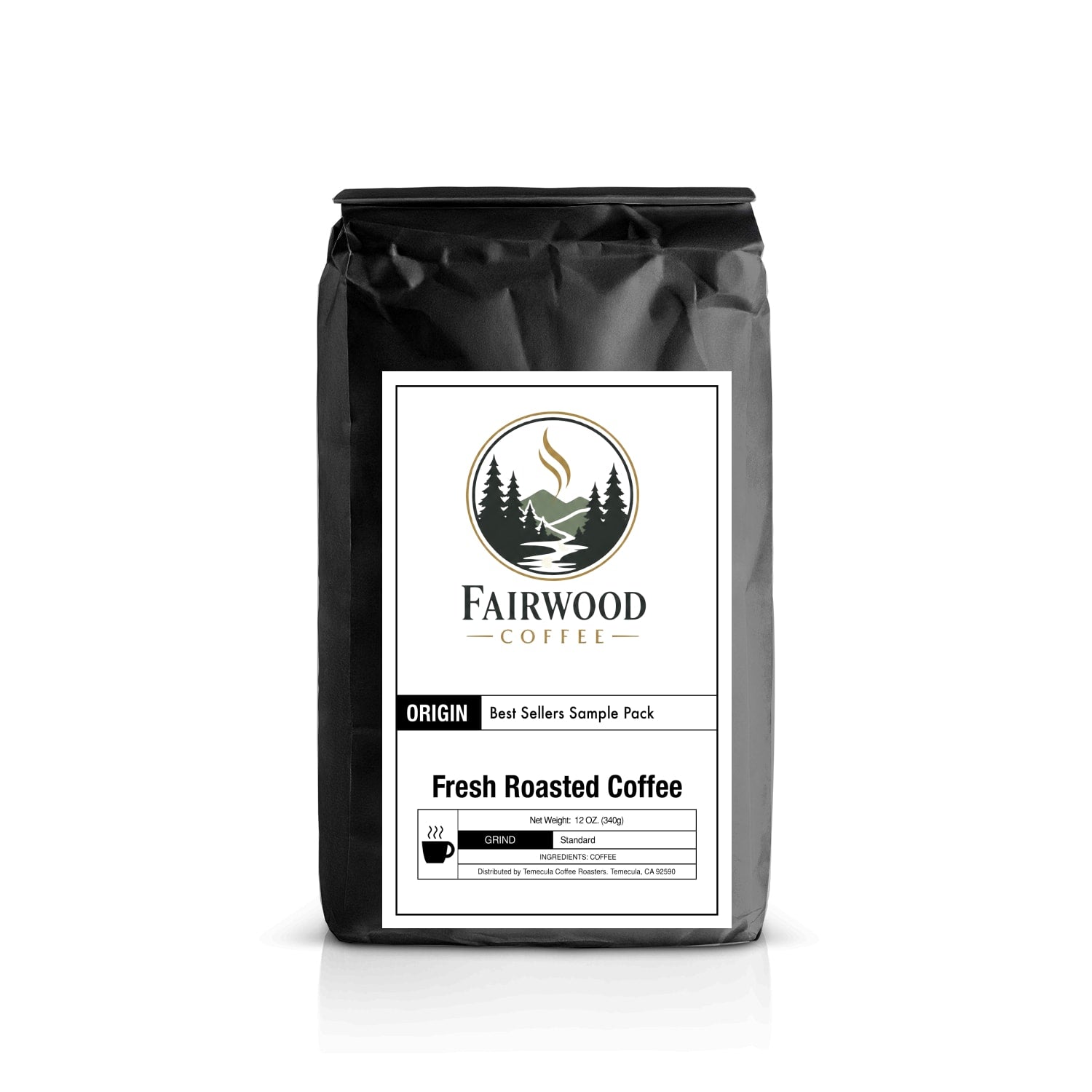
A sample pack is a low-commitment way to test a roaster's coffee before you commit to a full bag. It helps answer whether the coffee profile matches your taste.
Our Best Sellers Coffee Sample Pack ships six 2 oz coffees for $24.99, covering a dark espresso-friendly 6 Bean Blend, a Cowboy Blend with cocoa, caramel, and vanilla tones, a smooth Breakfast Blend, and single origins from Peru, Mexico, and Bali. Six 2 oz samples let you compare your favorites one cup at a time before choosing a full-size bag.
For anyone weighing commitment, that's the honest test. Taste first, subscribe second.
The real risk with any coffee subscription isn't the price, it's ending up with bags you don't want. Fairwood Coffee solves that with artisan blends, fast automated fulfillment, and no inventory to manage on your end, so the coffee that lands at your door is the coffee you actually drink.
Frequently Asked Questions
Are coffee subscriptions worth the money?
It depends on how much you drink and how you buy now. Per-cup cost depends on bag size, delivery cadence, and shipping, so run the numbers on your own consumption. For a daily drinker paying café prices, the math usually favors a subscription. For someone drinking a cup or two a week, a monthly bag may go stale before it is finished, which is why a coffee subscription is a poor fit for occasional drinkers.
How much does a coffee subscription usually cost?
Published figures vary by bag size and cadence. Build your own number from the bag price and your actual daily intake rather than trusting a headline rate, and factor in shipping cost if it is not included.
Is a coffee subscription cheaper than buying coffee in a store?
Per cup, usually yes, if you compare it with café coffee rather than retail bags. Café prices carry labor, rent, and equipment costs that a bag does not. Against retail bags, the comparison is closer: a subscription adds shipping and locks you into a delivery schedule, so it only wins on value when the per-bag price is competitive and you actually drink the volume. Track your household consumption for a month before deciding so the delivery frequency matches real use.
What are the downsides of a coffee subscription?
Three stand out. First, waste: if the delivery cadence outpaces your drinking, bags sit open past their best window, which is why Aldo's Coffee advises occasional drinkers to skip subscriptions. Second, cancellation friction: check how pausing, skipping, and canceling work before you sign up. Third, mismatch: if the roaster's roast level or origin selection does not match your coffee profile, you accumulate bags you do not want. Sample packs reduce that last risk before you commit.
Can you pause or cancel a coffee subscription?
Most services allow it, but the terms differ enough to check before subscribing. Look for three things: whether you can skip a single delivery without penalty, whether pausing has a maximum duration, and whether cancellation is self-serve or requires contacting customer service. Delivery frequency control matters as much as cancellation, because a schedule you can adjust prevents the waste problem in the first place.
